
-1.jpg?width=635&height=454&name=eduardo-soares-QsYXYSwV3NU-unsplash%20(1)-1.jpg)
How to Run Retail Point of Sale Platforms Offline and Sync Sales Later
Most trade retailers believe they have operational visibility, but what they really have is delayed reporting, fragmented systems, and decisions made on stale data.
In sectors like DIY, building merchants, and specialist trade supply, operational blind spots can lead to missed sales, overstocked warehouses, and a disjointed customer experience.
This article is for retail operations leaders, IT directors, and supply chain heads in the trade sector. We’ll explore the root causes of visibility challenges and how modern infrastructure can close the gap.
Let’s unpack what’s really getting in the way, and what to do about it.
The Visibility Challenge in Trade Retail
Legacy Systems Don’t Talk to Each Other
Many trade retailers still operate with legacy ERP, POS, and warehouse systems. These are often siloed, with limited integration, meaning data doesn’t flow between them in real time. This fragmentation slows down decision-making and hinders accurate stock tracking.
For example, if a branch sells out of a key product, the system might not reflect that until hours, or even days, later. That delay impacts replenishment and frustrates customers expecting immediate fulfilment.
Disconnected Channels and Locations
Trade retailers typically operate across multiple branches, trade counters, and ecommerce platforms. Without unified systems, tracking stock movement and sales across all channels becomes manual and error-prone. It is a problem of scale. As complexity grows, visibility shrinks.
The result? Store managers, supply chain leads, and head office teams operate with different versions of the truth. That inconsistency undermines performance at every level.
In our work with multi-branch trade retailers, we’ve found the issue isn’t a lack of data, it’s a lack of trust in that data. When each system tells a different story, teams default to guesswork or workarounds.
Limited Staff Enablement
Real-time visibility isn’t just for head office dashboards. Staff on the floor need fast, accurate access to data to serve trade customers effectively, especially when managing large orders, price requests, or delivery queries.
When systems lag, staff can’t answer basic customer questions without delays or guesswork. That erodes trust and service quality, both crucial in a competitive B2B retail environment.
Why It Matters: The Cost of Blind Spots
Stock Inaccuracy and Lost Sales
According to McKinsey, retailers that optimise inventory with real-time data can reduce out-of-stock rates by up to 30%. In trade retail, where margins are tight and customer expectations high, that’s a significant advantage.
Without accurate visibility, trade counters risk selling items they don’t have, or failing to promote stock that’s available.
It leads to real commercial damage: sales lost at the counter, incorrect fulfilment on high-value orders, and customers walking away when staff can’t give a clear answer on stock or lead times.
Poor Forecasting and Overheads
Disconnected systems make forecasting more reactive than predictive. Trade retailers often over-order to buffer against uncertainty, tying up working capital and inflating warehousing costs.
It also impedes promotional planning. If stock data isn’t reliable, marketing and commercial teams can’t confidently push product lines, launch campaigns, or optimise pricing.
Operational Drag and Burnout
Manual workarounds, like exporting spreadsheets, emailing branch reports, or calling other sites for updates, add friction and slow down daily operations. This inefficiency drains productivity and morale.
The Solution: Real-Time Data, Unified Systems
Integrate ERP, POS, and Inventory in One Ecosystem
A unified commerce platform, such as Microsoft Dynamics 365 combined with LS Retail, means the stock number at the counter is the same one that finance and supply chain are looking at. No confusion, no misalignment.
With real-time updates across finance, warehouse, and retail systems, staff can see exactly what’s in stock, what’s reserved, and where every unit sits, with no guesswork required.
Surface Custom Dashboards and Role-Based Views
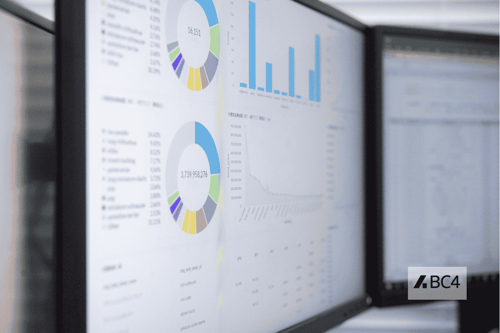
Dashboards tailored by role, whether for store managers, logistics leads, or finance teams, make visibility actionable. BC4’s connected commerce solutions deliver this level of granularity, enabling smarter, faster decisions at every level.
Enable Staff at Every Touchpoint
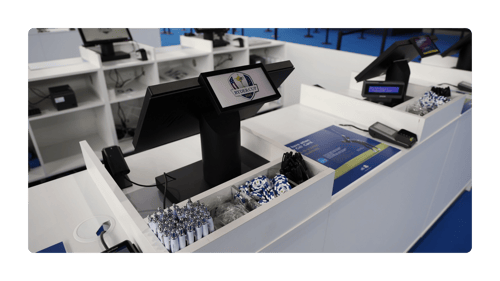
With connected POS and mobile-accessible systems, counter staff can instantly check availability, create quotes, and coordinate delivery, all from a single interface. It boosts confidence, service quality, and customer satisfaction.
Real-World Proof: Selco Builders Warehouse
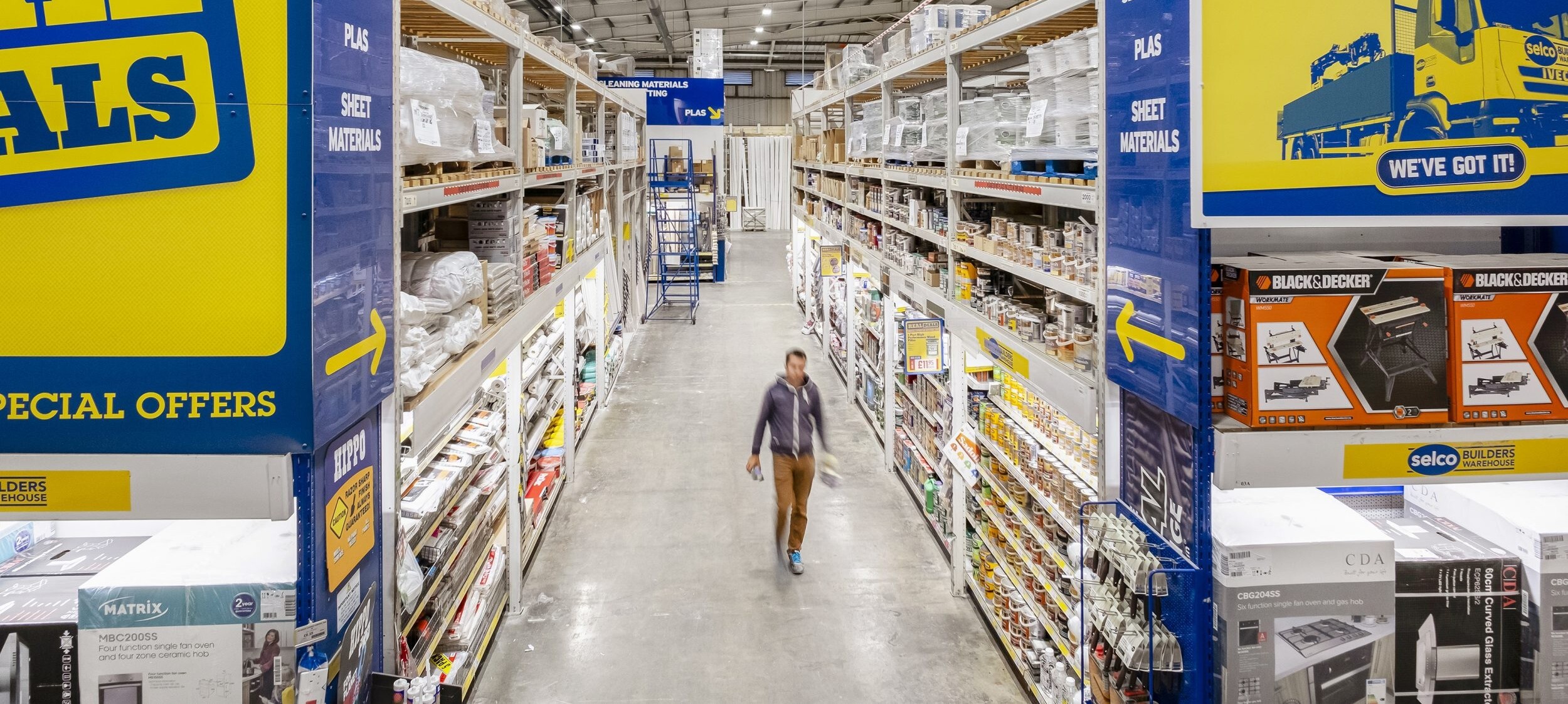
Selco Builders Warehouse, one of the UK’s leading trade-only merchants with 74 stores, partnered with BC4 to modernise operations at scale. Their legacy NAV system was limiting performance, scalability, and visibility across the business.
BC4 designed and delivered a phased migration to Microsoft Business Central and LS Central. By bridging NAV with the new platform, Selco modernised head office systems first while gradually rolling out store transitions.
The result? Till processing time dropped from 5–10 minutes to around 30 seconds. Overnight processing issues were eliminated. Regional managers gained faster, clearer visibility for decision-making. Store teams reported smoother workflows and improved service speed at the counter—all underpinned by real-time data sync and system reliability.
Together, BC4 and Selco delivered one of the largest multi-site BC + LS deployments in UK retail.
FAQ
What is real-time operational visibility in retail?
It refers to the ability to see live, accurate data across all operational areas—stock, sales, finance, and logistics—without delay or manual consolidation.
Why is visibility especially challenging for trade retailers?
Because they manage complex stock, high service levels, multiple branches, and often use outdated, disconnected systems that don’t communicate in real time.
How does poor visibility affect customer experience?
It leads to delayed responses, inaccurate order fulfilment, and inconsistent service, especially damaging in the B2B trade environment where speed and accuracy are expected.
What technology enables real-time visibility?
Modern ERP platforms like Microsoft Dynamics 365, integrated with POS and inventory systems (e.g. LS Retail), provide a unified infrastructure for real-time data flow.
How can BC4 help trade retailers improve visibility?
BC4 delivers connected commerce solutions that unify systems, enable live data access, and support operational efficiency across branches, ecommerce, and supply chain.
Conclusion
Trade retailers face complex challenges, but visibility doesn’t have to be one of them. With unified systems and real-time data, operational blind spots can be replaced with clarity, speed, and better service.
Ready to eliminate silos and see your trade business clearly? Speak to our team about real-time retail visibility.