

Retail Management Systems for Sports Clubs: Are Yours Connected?
Picture your most loyal fan
They have held a season ticket for six years. Last month, they bought a replica shirt from your online store, grabbed a pie and a pint at the ground on matchday, and picked up a scarf for their kid on the way out.
According to your fan loyalty programme, they earned points on the shirt.
That is it.
The pie, the pint, the scarf, the six years of turning up: none of it registered. Not because your loyalty platform failed. But because it never received the data in the first place.
This is the blind spot sitting at the heart of most fan loyalty programmes at sports clubs. And it is more common, and more costly, than most clubs realise.
The promise of fan loyalty platforms
Fan loyalty platforms like Fortress, Eagle Eye, and Lava have transformed how sports clubs think about supporter engagement. They offer clubs the ability to reward attendance, incentivise spending, personalise offers, and build a picture of fan behaviour that goes far beyond the turnstile.
The technology is genuinely impressive. Done well, a fan loyalty programme increases matchday spend, deepens emotional connection with the club, and creates a data asset that supports commercial partnerships and revenue growth.
Clubs across the Premier League, Championship, and elite European football have invested heavily in these platforms. And yet, many are not seeing the returns they expected.
The platform is not the problem.
The real issue: fragmented back-office data
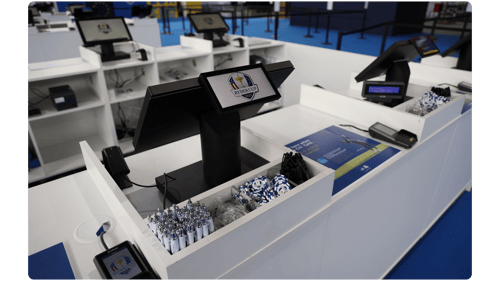
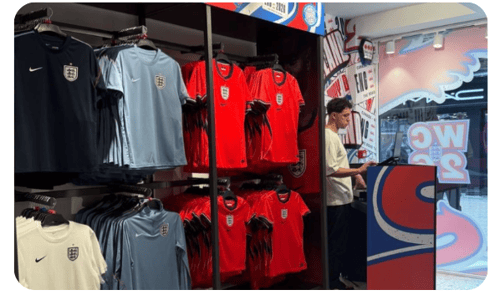
Most sports clubs operate across multiple systems that do not speak to each other. Ticketing lives in one platform. Online merchandise runs through a separate e-commerce solution. Matchday retail, kiosks, concession stands, and club shops inside the ground, runs on a different point-of-sale system. Finance and stock management sit somewhere else entirely.
These systems were often implemented at different times, by different teams, solving different problems. Nobody designed them to work together.
The result is that your fan loyalty programme, however sophisticated, is only seeing a fraction of what your fans actually do. It receives a data feed from whichever systems are integrated with it, and ignores everything else. In most clubs, that means online purchases might flow through. Matchday retail, food and beverage, and in-ground transactions frequently do not.
Your fans are spending. Your programme is not seeing it.
What the loyalty gap costs you
The commercial impact falls into three areas.
Fans go unrewarded for real spend. A supporter who spends £800 a season on tickets, merchandise, and food at the ground but only earns points on £120 of online purchases is being undervalued. They notice. Loyalty programmes that feel arbitrary or incomplete erode trust rather than build it.
Personalisation never gets off the ground. The whole point of a modern loyalty platform is to move beyond generic rewards and deliver offers that reflect individual fan behaviour: the family who always upgrades to a hospitality package for big games, the away-end regular who buys a new shirt every season. Without complete data, that personalisation is impossible. You are personalising against an incomplete profile.
You cannot measure what is working. If you do not know that matchday food and beverage spend has increased 15% among loyalty programme members, you cannot make the case for the programme's return on investment, internally or to commercial partners. Blind spots in data create blind spots in decision-making.
The fix: unified operations, not a new platform
The answer is not to replace Fortress, Eagle Eye, or Lava. These are strong platforms doing exactly what they are designed to do. The answer is to fix what feeds them.
When a sports club runs its operations on a unified back-office, where matchday retail, online commerce, food and beverage, stock management, and finance all sit within the same system, the data picture is complete. Every fan transaction, wherever it happens, flows into the loyalty platform accurately and in real time.
That means points earned at a kiosk update immediately. Matchday spend is captured alongside online purchases. The full value of a fan relationship becomes visible for the first time.
Microsoft Dynamics 365 Business Central combined with LS Retail provides exactly this unified foundation for sports clubs. Rather than a patchwork of disconnected systems, it creates a single operational backbone that integrates directly with leading fan loyalty platforms including Fortress, Eagle Eye, and Lava.
For clubs already running one of these loyalty platforms, the impact is immediate. The same programme, the same fan-facing experience, but now with complete data flowing into it. Wider fan profiles. Accurate rewards. Personalisation that actually reflects how supporters spend.
What this looks like at scale
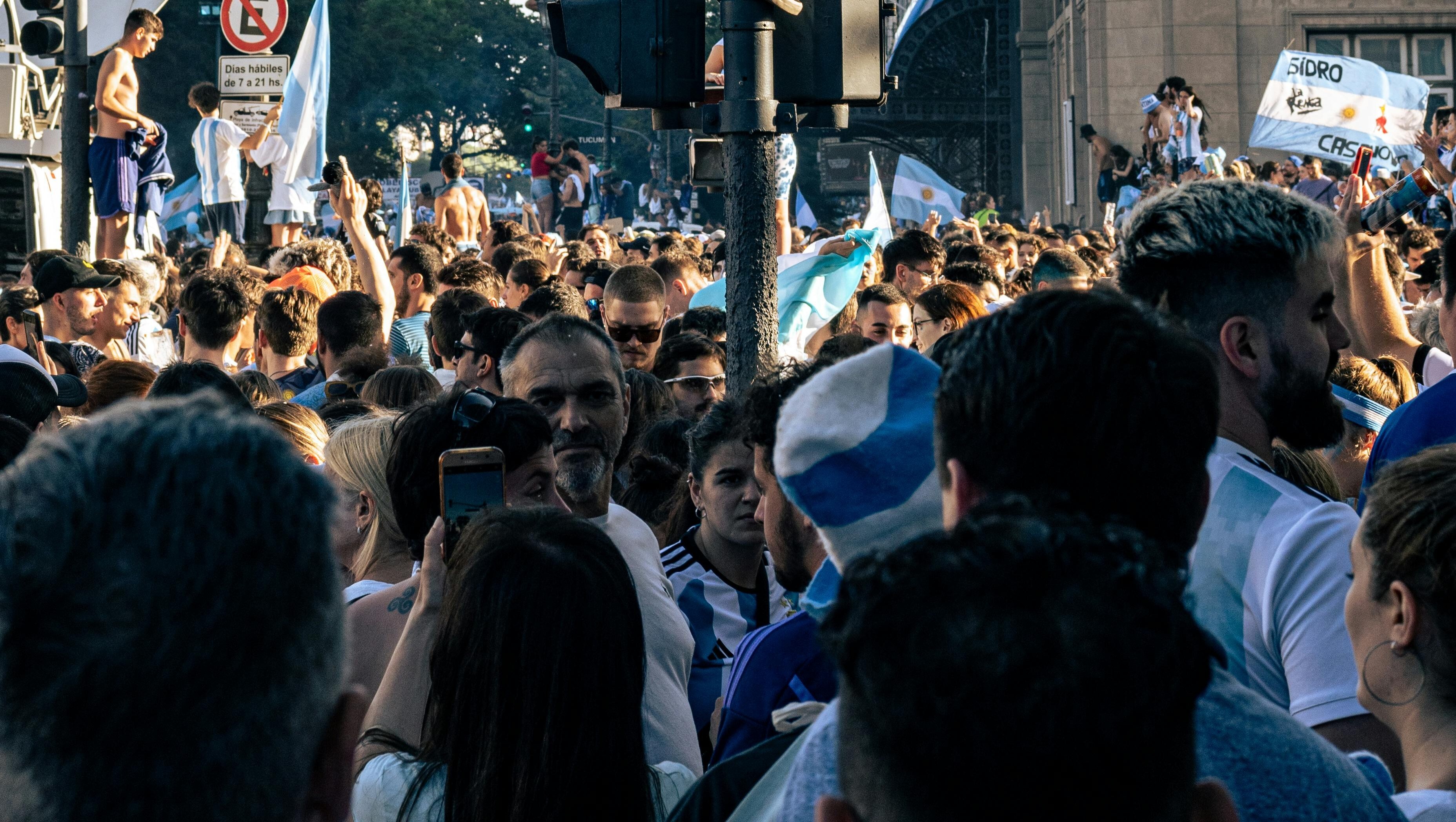
The importance of unified data only grows with the size and complexity of the club. At Real Madrid, Tottenham Hotspur, or Manchester City, the volume of fan transactions on a single matchday is enormous. Without a unified operational system, reconciling that data, let alone feeding it to a loyalty platform in real time, is either slow, inaccurate, or both.
During the Paris 2024 Olympics, operational demands reached a different order of magnitude entirely: multiple venues, millions of attendees, transactions happening simultaneously across dozens of retail and food and beverage points. Getting fan data right at that scale is not a nice-to-have. It is a prerequisite for everything else.
The clubs and events organisations that manage this well share one thing: a back-office designed for integration, not bolted together after the fact.
The question worth asking
Your fan loyalty programme is probably better than it appears. The platform is capable. The strategy is sound. But if the data infrastructure underneath it has blind spots, you will never see the full picture, and neither will your fans.
The question worth asking is not which loyalty platform to use. It is: what are we actually feeding it?
Frequently asked questions
What is a fan loyalty programme in sports?
A fan loyalty programme is a system that rewards supporters for engaging with their club, from buying tickets and merchandise to attending matches and spending at the ground. Points or benefits are earned across different touchpoints and redeemed for rewards, discounts, or experiences that deepen the relationship between club and supporter.
Why do fan loyalty programmes often miss data?
Most sports clubs run separate systems for ticketing, online commerce, matchday retail, and finance. These systems rarely share data automatically, which means the loyalty platform only receives information from whichever systems are connected to it. Transactions at kiosks, concession stands, and in-ground shops frequently fall through the gap entirely.
Which fan loyalty platforms do sports clubs use?
The most widely used fan loyalty platforms in UK and European sports include Fortress, Eagle Eye, and Lava. Each offers a different feature set, but all depend on receiving complete and accurate transactional data to deliver value for the club and its supporters.
How does a unified back-office improve fan loyalty performance?
When a club runs on a unified system such as Microsoft Dynamics 365 Business Central with LS Retail, every transaction across matchday retail, food and beverage, and online commerce feeds into the loyalty platform automatically. This creates accurate points balances, complete fan profiles, and the data foundation needed for genuine personalisation.
Can BC4 integrate our existing loyalty platform with our back-office?
Yes. BC4 integrates Microsoft Dynamics 365 Business Central and LS Retail with leading fan loyalty platforms including Fortress, Eagle Eye, and Lava. The integration works with your existing loyalty platform rather than replacing it, so your fans see no disruption while your data picture improves significantly. Get in touch with our team to find out more.
BC4 integrates Microsoft Dynamics 365 Business Central and LS Retail with Fortress, Eagle Eye, Lava, and other leading fan loyalty platforms. To find out what a unified operational setup could mean for your loyalty programme, get in touch with our team.