
How to Run Retail Point of Sale Platforms Offline and Sync Sales Later
Most retailers treat their ERP as back-office infrastructure. It processes orders, manages finance, and sits quietly behind the scenes. But in a market where margins are tight, channels are multiplying, and customer expectations are rising, that perspective is costing organisations more than they realise.
The ERP is not just an accounting tool. It is the connective tissue of a retail operation. When it works as it should, everything else works too. When it does not, the cracks spread quickly into stock accuracy, customer fulfilment, financial reporting, and strategic decision-making.
This article is for retail directors, operations leaders, and IT decision-makers who are running on a platform that no longer matches the scale or ambition of their business. We will explore what a modern ERP should actually do, the warning signs that yours is holding you back, and what the path forward looks like in practice.
What a Modern ERP Should Actually Do
A modern ERP is not a passive system. It is the operational foundation that connects every part of the business in real time. At its core, it should unify retail operations, inventory, purchasing, finance, and reporting into a single source of truth.
For retailers operating across multiple sites, channels, or fulfilment models, this means stock levels visible across every location, transactions that update instantly rather than in batches, purchasing decisions driven by live data, and financial reporting that closes quickly and accurately. It should also integrate cleanly with the wider technology landscape: ecommerce platforms, loyalty programmes, ticketing systems, payment providers, and analytics tools.
When it does all of this well, the ERP disappears into the background. Teams stop worrying about whether the data is correct and start making faster, better decisions. When it does not, it becomes the bottleneck that slows everything else down.
The Warning Signs Your ERP Is Holding You Back
Most organisations do not realise how much their ERP is limiting them until they start comparing their operations to what modern platforms make possible. The warning signs are often subtle at first, but they compound over time.
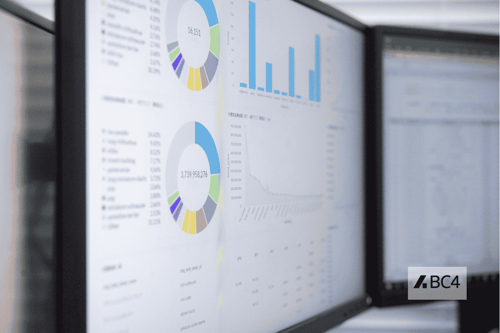
The first sign is delayed or unreliable reporting. If closing the month takes days, if different teams are working from different versions of the same figures, or if finance regularly needs to manually reconcile data across systems, the ERP is failing at its most fundamental job.
The second sign is operational friction. When staff rely on spreadsheets to fill gaps, when stock counts require manual correction, or when a single transaction involves jumping between three different platforms, the system is creating work rather than removing it.
The third sign is channel disconnection. In a world where retail spans physical stores, ecommerce, click-and-collect, and wholesale, an ERP that cannot provide a unified view across all of them is no longer fit for purpose. Separate stock figures for online and in-store, delayed updates between channels, and an inability to see true margin by channel are all signs of a fragmented architecture.
The fourth sign is fear of growth. When expanding to a new site, adding a new channel, or scaling into a new market feels operationally risky because the system might not cope, the ERP has become a ceiling rather than a platform.
Why Retailers Stay on Outdated Systems
Changing an ERP feels daunting. It is one of the most complex infrastructure decisions a retail organisation can make, and the risks of getting it wrong are real. That is precisely why many retailers continue using platforms that are no longer serving them well.
The most common reason is familiarity. Teams know the quirks of the existing system. They have built workarounds. The thought of relearning processes creates anxiety, and that anxiety often translates into inertia at the leadership level.
The second reason is perceived cost. A full ERP replacement looks expensive when viewed as a line item. What rarely gets modelled is the ongoing cost of the current system: the manual processes, the missed opportunities, the operational drag, the staff time spent reconciling data that a modern platform would make available instantly.
The third reason is a lack of a clear path. Many retailers know they need to change but do not know where to start. Evaluating platforms, managing migration, maintaining business continuity during transition, and ensuring the new system is properly configured for retail operations all require specialist knowledge that is not always available internally.
What the Transition Actually Looks Like
The most successful ERP transitions in retail share a few common characteristics. They start with a clear definition of what the business needs the platform to do, not just what it does today, but what it will need to support in three to five years.
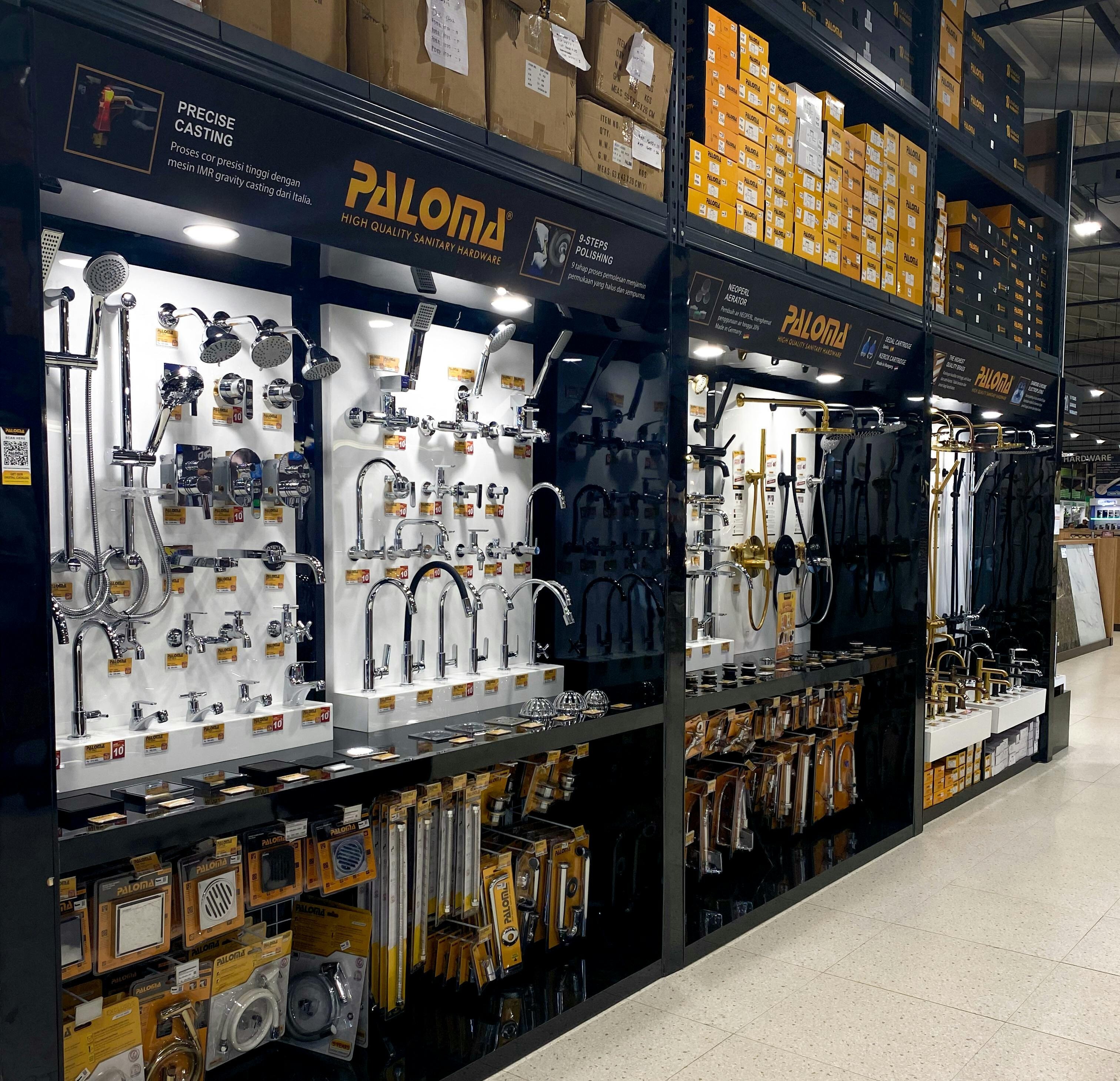
They use a phased approach. Rather than attempting a single cutover that disrupts everything at once, the best implementations introduce the new platform progressively, maintaining stability throughout and allowing teams to adapt. BC4 has used this approach across deployments including Selco Builders Warehouse, one of the UK's largest multi-site retail migrations, where the transition from legacy NAV to Microsoft Business Central and LS Central was delivered without operational disruption across 74 stores.
They also treat process redesign as part of the project. Moving to a modern ERP is not just a technical change. It is an opportunity to remove the manual steps, the workarounds, and the inherited complexity that have built up over years. Organisations that fail to seize this opportunity often replicate their old processes on a new platform and wonder why things have not improved.
Finally, they invest in the right partner. An ERP is only as effective as the implementation behind it. Organisations that work with partners who understand both the technology and the sector they operate in consistently achieve better outcomes than those who choose on price alone.
The Strategic Case for Acting Now
There has never been more pressure on retail organisations to do more with less. Margins are tighter, customer expectations are higher, and the pace of change in the sector is accelerating. In that context, continuing to operate on a fragmented, outdated ERP is not a neutral decision. It is a choice to fall behind.
Organisations that invest in connected retail infrastructure gain a measurable advantage. They close their books faster. They make better purchasing decisions. They fulfil orders more accurately. They can expand into new channels or locations without the operational fear that holds back less well-equipped competitors. And they build the data foundation that makes loyalty, personalisation, and AI-driven forecasting actually possible rather than aspirational.
The ERP is not just a back-office system. It is the platform that either enables growth or quietly prevents it. Getting it right is one of the most valuable investments a retail organisation can make.
Conclusion
For most retailers, the ERP is the piece of infrastructure that everything else depends on. When it is right, it is invisible. When it is wrong, it is everywhere: in the manual workarounds, the delayed reporting, the missed sales, and the operational conversations that should not need to happen.
Modernising is not without complexity, but the cost of staying still is higher than many organisations realise. With the right partner and the right approach, the transition from fragmented legacy systems to a connected retail backbone is not only achievable. It is transformative.
If your ERP is holding your retail operation back, speak to BC4 about what a connected, real-time retail and finance platform could do for your business.